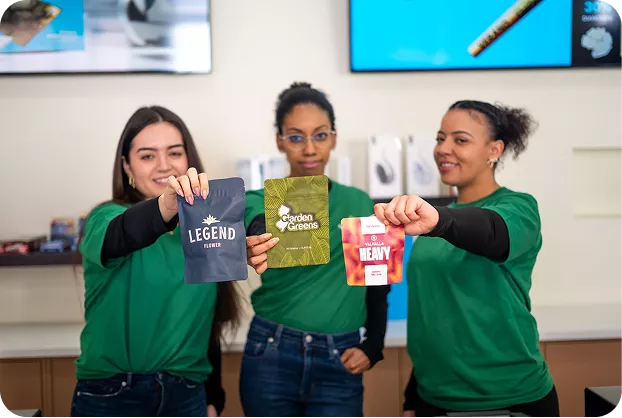


How to Read Cannabis Labels in New Jersey
Cannabis labels can reveal far more than a THC number. In New Jersey, regulated cannabis packaging often includes terpene profiles, total cannabinoid content, serving size details, and product specifications that help predict consistency and overall experience. Understanding how to read these details helps consumers choose products that better match their preferences, tolerance, and intended use.
As New Jersey’s legal cannabis market continues to mature, label literacy helps consumers shop more confidently — especially when browsing licensed dispensaries like Good Karma Dispensary.
Why Cannabis Labels Matter in New Jersey
Cannabis labels exist to protect consumers and provide transparency in regulated markets. Rather than serving as simple branding, labels function as informational tools that help shoppers compare products accurately and understand what they are purchasing.
Educational platforms such as Leafly emphasize that label literacy is one of the most reliable ways to make informed decisions when shopping for cannabis products.
Potency on Cannabis Labels: THC, THCA, and Total Cannabinoids
THC vs THCA — Why the “Total THC” Number Changes
Flower labels often list both THC and THCA. THCA converts into THC when heat is applied, which is why many labels include a “total THC” calculation. When comparing products, consumers should make sure they are comparing the same potency metrics.
Total Cannabinoids — A Better Big-Picture View
In addition to THC, cannabis labels may include CBD and minor cannabinoids such as CBG or CBN. Total cannabinoid content provides a broader snapshot of a product’s chemical makeup and can explain why products with similar THC levels feel different.
Research and cannabinoid education shared by Project CBD highlights the importance of looking beyond a single cannabinoid when evaluating cannabis products.
Understanding Terpene Profiles
What Terpenes Tell You
Terpenes are aromatic compounds responsible for the scent and flavor of cannabis. They also influence how products are perceived. Common terpenes include myrcene, limonene, pinene, and caryophyllene.
Reading Terpene Percentages
When terpene data is available on cannabis labels, percentages can help consumers identify patterns in products they enjoy. Rather than focusing on the highest terpene numbers, consistency across profiles often leads to more predictable experiences.
Serving Sizes and Dosing Information
Why Serving Size Matters
Serving size is especially important for edibles. Labels typically list milligrams of THC per serving and total servings per package. These numbers help consumers dose responsibly and avoid overconsumption.
Onset and Duration Considerations
Understanding serving size helps consumers manage delayed onset products, especially edibles, where effects take longer to appear.
Product Specs That Influence Experience
Flower
Flower labels often include strain name, cannabinoid content, and terpene profile. Reviewing these details helps consumers compare strains with similar names but different effects. Shoppers can explore licensed flower options when browsing dispensary menus such as Good Karma Dispensary’s menu.
Edibles
Edible labels focus on serving size and total THC. Gummies and chocolates should always be evaluated by dosage information rather than flavor alone.
Vape Cartridges
Vape labels typically list oil type, cannabinoid concentration, and terpene composition, helping consumers understand both potency and flavor expectations.
Cannabis Label Quick Reference
| Label Element | What It Tells You | Why It Matters |
|---|---|---|
| Total THC | Psychoactive strength | Helps gauge intensity |
| Total Cannabinoids | Overall compound presence | Indicates balance |
| Terpenes | Aroma and effect profile | Guides experience |
| Serving Size | Amount per dose | Prevents overuse |
| Product Type | Format of use | Affects onset and duration |
Making Smarter Choices Through Label Literacy
Learning to decode cannabis labels in New Jersey empowers consumers to move beyond marketing language and make decisions based on measurable information. By understanding potency, terpene profiles, and product specs, shoppers can choose products that better align with their goals and preferences.